Brick Repointing
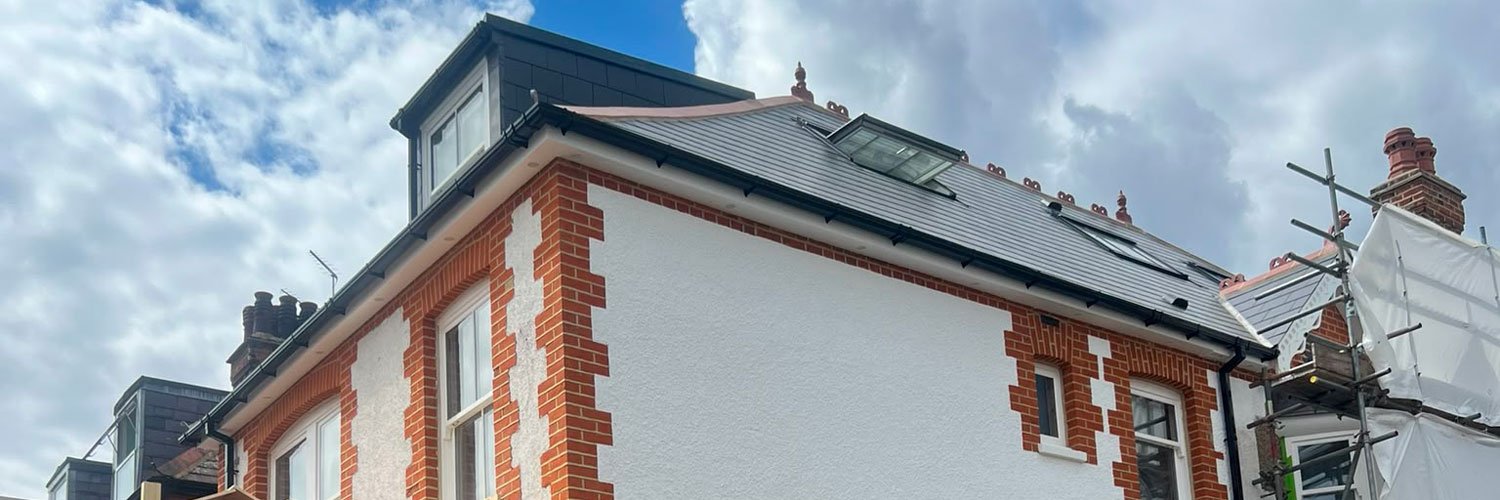
Need professional brick repointing? Get in touch with Brick Repointing Experts for an assessment of your brickwork and a clear quotation.
brickrepointingexperts.co.uk provides brick repointing services for residential properties, helping repair deteriorated mortar joints and protect brickwork from weather and moisture.
If your mortar is cracked, crumbling, missing or deeply recessed, repointing may help restore the wall without replacing bricks that are still in good condition.
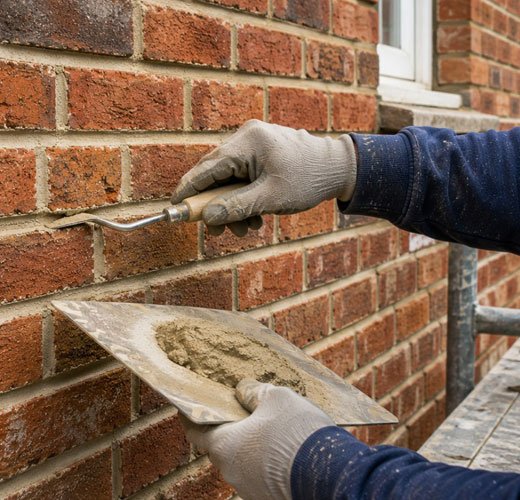
Brick repointing involves removing damaged or deteriorated mortar from between bricks and replacing it with suitable new mortar. The process restores the joints and helps protect the surrounding masonry from water penetration and weathering.
The correct approach depends on the age and construction of the property, the condition of the bricks and the type of existing mortar. Older properties may require a breathable lime mortar rather than a hard cement-based mix.
Signs Your Brickwork Needs Repointing Look for:
Not every wall requires complete repointing. An inspection can establish whether the problem needs localised repairs or more extensive work.
Looking for brick repointing you can rely on? Contact Brick Repointing Experts for an assessment and quotation.
The hardest mortar is not automatically the best choice.
Traditional and older properties often require careful consideration of lime mortar, which can allow moisture to move through the masonry. Using an overly hard mortar on softer bricks can contribute to damage over time.
At Brick Repointing Experts, the existing brickwork and mortar should be assessed before selecting the appropriate replacement material.
Brick Repointing vs Brick Replacement
These are two different types of masonry repair.
Repointing repairs the mortar joints between bricks.
Brick replacement involves removing individual damaged bricks and installing suitable replacements.
If the bricks are sound but the mortar has deteriorated, repointing may be enough. If bricks are cracked, broken or severely weathered, replacement may also be necessary.
The final price can depend on:
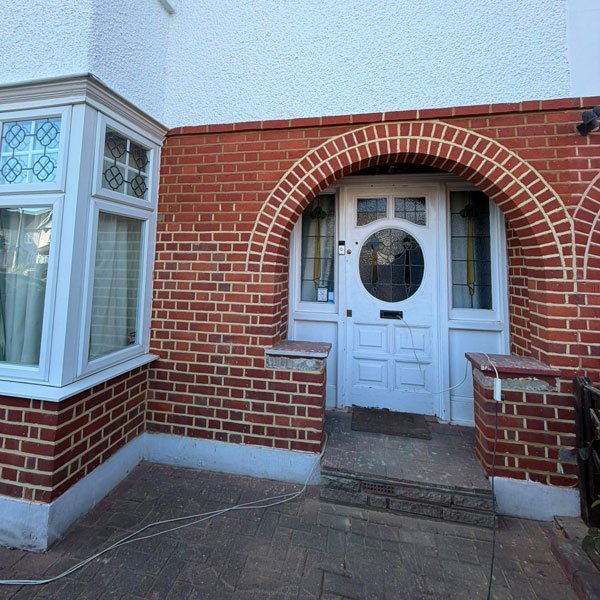
A proper assessment is the best way to determine the work required and provide a reliable quotation.
The lifespan depends on the quality of the existing masonry, mortar selected, workmanship and exposure to weather. Properly completed repointing can last for many years, but exposed brickwork should still be inspected periodically.
Repointing cannot correct every masonry problem.
Extensive structural cracking, significant brick deterioration, movement or underlying damp issues may require additional investigation and repair.
A professional assessment helps determine whether repointing is appropriate or whether other brickwork repairs are needed.
Cracked, crumbling, missing or deeply recessed mortar are common signs. You may also notice gaps between bricks or evidence of moisture penetration.
Not always. The appropriate mortar depends on the brickwork and existing construction. Older properties may require lime-based mortar.
Yes. Localised repointing can be suitable where deterioration is limited, although surrounding joints should also be inspected.
It can help reduce moisture penetration where defective mortar is contributing to the problem. However, damp can have several causes, so the underlying source should be identified.
Poor techniques or unsuitable mortar can damage brick edges. Careful mortar removal and appropriate material selection are particularly important with older or softer bricks.