New Malden
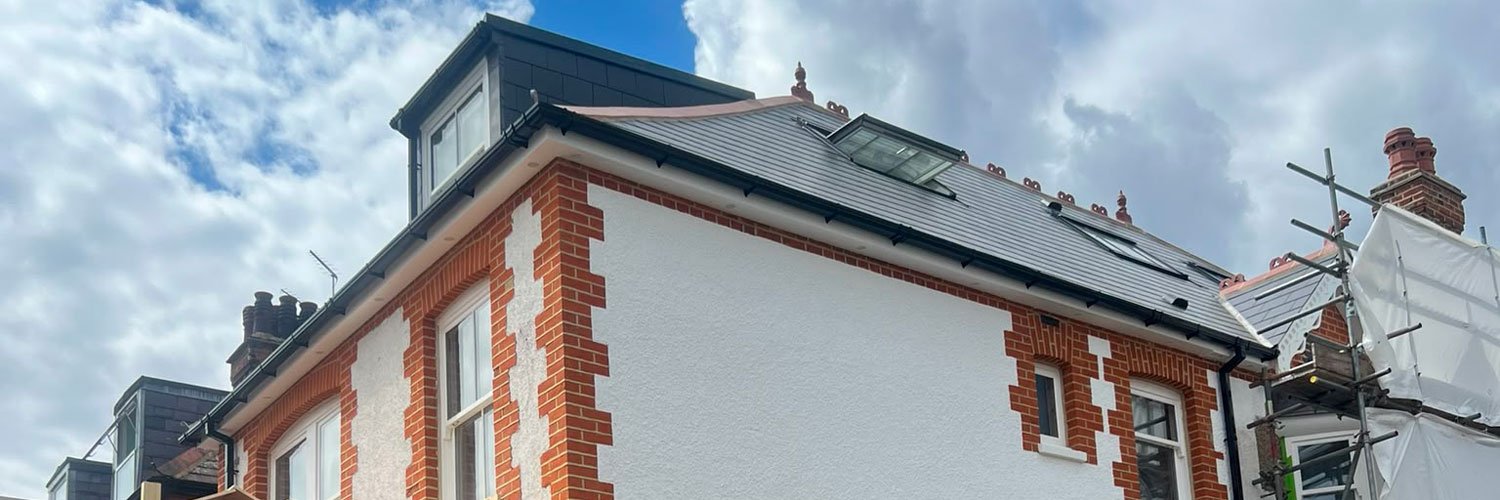
If your mortar joints are cracked, missing or beginning to crumble, professional brick repointing in New Malden can restore the strength of your brickwork, reduce water penetration and help prevent expensive structural repairs. Repointing renews worn mortar while preserving the original bricks, making it an effective way to protect your property’s long-term condition.
Brickwork is built to withstand decades of exposure, but mortar naturally deteriorates over time. Rain, frost, pollution and changing temperatures gradually weaken the joints between bricks. Left untreated, damaged mortar can allow moisture to enter the wall, increasing the risk of damp, loose bricks and further deterioration.
At Brick Repointing Experts, we provide professional brick repointing throughout New Malden for homeowners, landlords, commercial properties and period buildings. Every project starts with a detailed inspection because each property has different repair requirements. Our recommendations are based on the condition of the brickwork rather than applying the same solution to every building.
Whether you own a Victorian terrace, an Edwardian home, a modern property or a commercial premises, we carry out brickwork repairs using materials and methods appropriate for the building’s age and construction.
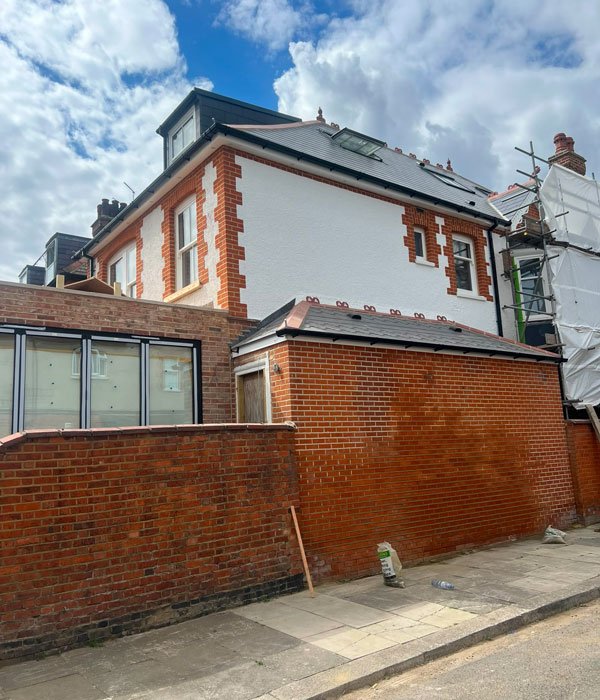
Brick repointing is the process of removing deteriorated mortar from between bricks and replacing it with fresh mortar. The bricks usually remain in place while the mortar joints are renewed to improve structural stability and weather resistance.
Mortar forms the protective seal that binds brickwork together. As it ages, it gradually weakens through years of weather exposure. Repointing restores these joints before the surrounding brickwork begins to suffer more extensive damage.
In many cases, repointing allows homeowners to preserve their original brickwork without the cost and disruption of rebuilding entire walls.
Properties throughout New Malden experience continual exposure to rainfall, changing temperatures and seasonal frost. These weather conditions slowly wear away mortar joints, particularly on older buildings that have not been maintained for many years.
Replacing deteriorated mortar at the right time helps maintain the structural integrity of brickwork and reduces the likelihood of larger repairs.
Professional brick repointing can help:
Many property owners arrange repointing before visible brick damage develops because repairing mortar is generally more economical than replacing damaged masonry.
Mortar usually deteriorates gradually, making regular inspections important for identifying early signs of damage.
Common warning signs include:
If several of these issues are present, a professional assessment can determine whether repointing is the most suitable solution.
We provide complete brickwork repair and restoration services for residential and commercial properties throughout New Malden.
Brick Repointing
We remove worn mortar and replace it with carefully matched mortar that restores strength, improves weather protection and complements the appearance of the existing brickwork.
House Repointing
Our house repointing service restores deteriorated mortar across external walls, helping protect homes from moisture while maintaining their original character.
Chimney Repointing
Chimneys are particularly vulnerable to weather exposure. Repointing damaged chimney mortar helps reduce water ingress, improve stability and extend the life of the chimney structure.
Brickwork Repairs
Cracked mortar, loose bricks and weathered masonry can often be repaired before more significant structural issues develop. We carry out repairs designed to blend naturally with the surrounding brickwork.
Brick Replacement
Where bricks have become cracked or badly weathered, replacing individual bricks can restore the appearance and strength of the wall without unnecessary rebuilding.
Brick Restoration
Older brick buildings often retain valuable original features. Our restoration work focuses on preserving these features while repairing deterioration caused by age and weather.
Lime Mortar Repointing
Many traditional buildings were originally constructed using lime mortar. Using compatible lime mortar allows older walls to breathe naturally while helping protect historic brickwork.
Tuck Pointing
Tuck pointing enhances the appearance of traditional brickwork by creating fine, uniform mortar joints that complement period architecture.
Brick Cleaning
We remove dirt, algae, moss and environmental staining using suitable cleaning methods that improve appearance while protecting the surface of the brickwork.
Crack Repairs
Visible cracks should always be investigated before repairs begin. We assess the underlying cause before recommending the most appropriate repair method.
Stone Restoration
We restore natural stone features by repairing weathered joints and damaged stonework while preserving the original appearance of the property.
Garden Wall Repointing
Garden walls often deteriorate more quickly because they are exposed to weather from both sides. Repointing helps improve stability and prolong the life of the wall.
Patio & Paving Repointing
Replacing worn joints between paving slabs helps prevent movement, reduce weed growth and improve the durability of patios and paved areas.
Replacing deteriorated mortar protects more than the appearance of a property. It strengthens the brickwork, reduces water penetration and helps preserve the original structure for many years.
The main benefits include:
Many homeowners choose to repoint their property before visible brick damage develops because replacing mortar is usually far more economical than rebuilding sections of masonry.
Every building is different, so we tailor our approach to the property’s age, brick type and the condition of the existing mortar.
Step 1 – Property Survey
We begin with a detailed inspection of the brickwork, mortar joints and surrounding masonry.
This allows us to identify deteriorated mortar, damaged bricks and any areas affected by water penetration or movement.
If only localised repairs are required, we explain why a full repointing project may not be necessary.
Step 2 – Preparing the Brickwork
Old and damaged mortar is carefully removed using suitable tools that minimise unnecessary damage to the surrounding bricks.
The joints are then cleaned to remove dust and loose material before new mortar is applied.
Proper preparation is essential because fresh mortar bonds more effectively to clean joints.
Step 3 – Selecting the Correct Mortar
Choosing the right mortar is one of the most important parts of any repointing project.
Modern buildings often use cement-based mortar, while many older properties in New Malden were originally constructed with lime mortar.
Using a compatible mortar helps maintain the performance of the brickwork and protects older buildings from unnecessary stress.
Where practical, we also match the colour and texture of the original mortar so repaired areas blend naturally with the existing wall.
Step 4 – Applying Fresh Mortar
Fresh mortar is carefully pressed into each joint and finished using the appropriate joint profile for the property.
Consistent application helps improve both structural performance and the overall appearance of the brickwork.
Step 5 – Final Inspection
After the mortar has cured, we carry out a final inspection to check that joints are fully filled, finishes are consistent and the work meets our quality standards.
The cost of brick repointing depends on the size of the building, the condition of the mortar and how easily the brickwork can be accessed.
Several factors influence the final quotation, including:
Small repairs generally cost less than repointing an entire property. After inspecting the building, we provide a clear quotation outlining the recommended work and the reasons for each repair.
Property owners often ask whether damaged brickwork requires repointing or brick replacement.
The answer depends on whether the mortar or the bricks themselves have deteriorated.
| Brick Repointing | Brick Replacement |
| Replaces worn mortar joints | Replaces damaged bricks |
| Preserves existing brickwork | Removes defective masonry |
| Suitable when bricks remain sound | Suitable for cracked or spalled bricks |
| Helps prevent water penetration | Restores damaged sections of wall |
| Usually less disruptive | May involve more extensive repairs |
Following a property survey, we explain which repair method is most appropriate for each section of the building.
Many expensive brickwork repairs begin with small maintenance issues that were ignored for too long.
Some of the most common mistakes include:
Repairing mortar at an early stage usually reduces repair costs and helps preserve the original brickwork.
One of the most common problems we encounter is mortar that has been left untreated for many years after the first signs of deterioration appeared.
We recommend checking external brickwork annually, particularly after winter. Freeze-thaw weather conditions often reveal damaged joints that may not have been noticeable during warmer months.
Older properties should always be assessed before selecting new mortar. Matching the repair material to the original construction helps protect the building and improves the long-term performance of the repairs.
Where possible, arrange repointing before bricks begin to loosen. Renewing mortar while the brickwork remains structurally sound is generally simpler and more cost-effective than replacing damaged masonry.
Brick repointing is suitable for a wide range of residential and commercial buildings throughout New Malden, including:
Every property is inspected individually so the repair method matches the building’s age, construction and current condition.
Some buildings require additional masonry repairs alongside repointing. Depending on your property’s condition, we may also recommend:
Combining related repairs during the same project can reduce future maintenance and help keep brickwork in good condition for longer.
Mortar rarely fails all at once. Most properties show early warning signs that indicate repairs should be arranged before the damage spreads.
You should consider a professional inspection if you notice:
Identifying these problems early often prevents larger structural repairs and helps preserve the original brickwork.
Yes. Many older homes in New Malden benefit from repointing because the original mortar naturally deteriorates with age.
Victorian and Edwardian properties were often constructed using lime mortar, which allows moisture to move through the wall naturally. Replacing this with a hard cement mortar can restrict airflow and place unnecessary stress on older bricks.
Before starting any project, we assess the age of the property, the existing mortar and the condition of the masonry to recommend the most suitable repair method.
The right mortar depends on how the building was originally constructed rather than personal preference.
| Lime Mortar | Cement Mortar |
| Suitable for older and heritage buildings | Commonly used for many modern properties |
| Allows moisture to evaporate naturally | Forms a harder mortar joint |
| More flexible during seasonal movement | Offers higher compressive strength |
| Helps protect older bricks | Often appropriate for newer masonry |
Using a mortar compatible with the original construction helps maintain the long-term condition of the building.
Brickwork requires regular maintenance to remain weather-resistant.
Simple maintenance can significantly extend its lifespan.
We recommend:
Preventative maintenance is usually more economical than repairing extensive masonry damage.
Choosing an experienced contractor helps ensure repairs are completed using suitable materials and appropriate techniques for your property.
Property owners choose us because we provide:
Our focus is on carrying out repairs that protect your property and provide long-term value rather than recommending unnecessary work.
Alongside New Malden, we also provide brick repointing and masonry repair services in nearby areas, including:
If your property is located close to New Malden, please contact us to confirm coverage.
Professionally completed brick repointing can last for several decades when suitable mortar is used and the work is carried out correctly. The lifespan depends on the property's exposure to weather, the quality of the original brickwork and ongoing maintenance. Regular inspections help identify small issues before they require more extensive repairs.
Common signs include crumbling mortar, gaps between bricks, loose masonry, damp patches on internal walls and visible cracks following mortar joints. If the bricks remain in good condition but the mortar has deteriorated, repointing is often the most effective way to restore the wall.
Damaged mortar allows rainwater to penetrate external walls, increasing the risk of damp inside the property. Repointing restores the protective seal between bricks, helping reduce water penetration. However, damp can also result from defective gutters, roof leaks or drainage issues, so identifying the source is important.
If the bricks are structurally sound, repointing is usually the more practical and cost-effective option. Rebuilding is generally only recommended when bricks have deteriorated beyond repair or when significant structural movement has affected the wall.
Repointing restores deteriorated mortar joints to strengthen and protect the brickwork. Tuck pointing is a decorative finishing technique that creates the appearance of fine, even joints while preserving the traditional style of older brick buildings.
Not every older property requires lime mortar, but many Victorian and Edwardian buildings were originally constructed using it. Using a mortar compatible with the original construction helps protect the brickwork and allows moisture to evaporate naturally through the wall.
Yes. If only a small number of bricks are damaged, individual brick replacement is often possible. Replacing isolated bricks helps restore the appearance and strength of the wall without rebuilding larger sections of masonry.
Yes. Chimneys often deteriorate more quickly than external walls because they are fully exposed to wind, rain and changing temperatures. Repointing chimney mortar can be carried out independently where only the chimney requires attention.
Brick repointing is generally completed during mild weather when temperatures remain above freezing and prolonged heavy rainfall is less likely. Suitable weather conditions help fresh mortar cure correctly and achieve a durable finish.
The duration depends on the size of the property, the condition of the mortar and whether additional repairs are required. Small repairs may take only a few days, while complete house repointing projects usually require longer. A detailed programme of work is provided after the initial survey.
Maintaining healthy mortar joints is one of the most effective ways to protect brickwork from weather damage and unnecessary structural deterioration. Repointing replaces failing mortar before more serious problems develop, helping preserve the strength, appearance and value of your property.
Whether your building requires localised repairs, chimney repointing, lime mortar repointing or complete house repointing, choosing the correct materials and carrying out the work to a high standard helps ensure long-lasting results.
If your property in New Malden has cracked mortar, deteriorating joints or loose brickwork, our experienced team can assess its condition and recommend the most suitable repair.
We provide professional brick repointing, brick restoration, chimney repointing and masonry repairs throughout New Malden using quality materials and workmanship designed to protect your property for years to come.
Contact Brick Repointing Experts today to arrange a free site survey and no-obligation quotation.