What is the Best Time of Year for Brick Repointing?
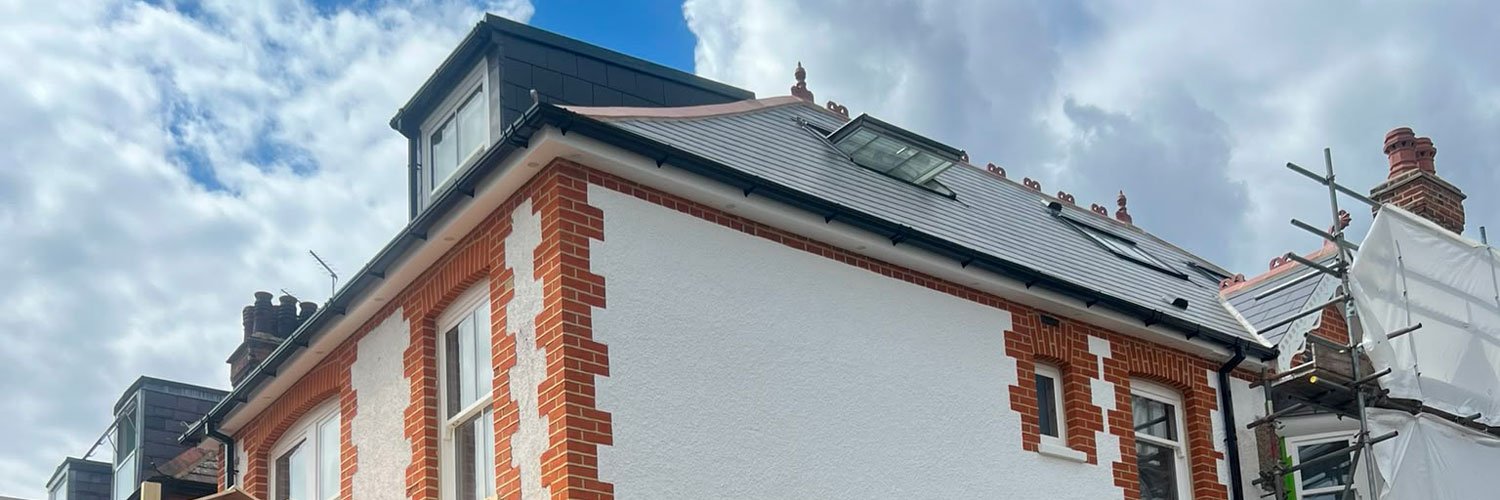

Brick repointing can be carried out throughout much of the year, but spring and early autumn generally provide the best conditions. Mild temperatures allow the mortar to cure properly, reducing the risk of cracking or poor adhesion. Very hot, freezing, or extremely wet weather can affect the quality of the finished work.
Fresh mortar needs the right conditions to harden correctly.
If it dries too quickly in hot weather or freezes before curing in winter, the mortar may not achieve its full strength. Excessive rain can also wash out fresh mortar before it has set.
Choosing the right season helps improve the durability of the repair.
For many properties, yes.
Spring usually offers moderate temperatures and lower risks of frost, making it one of the most reliable times for repointing.
Benefits of spring repointing include:
Yes, but extra care is required.
High temperatures and direct sunlight can cause mortar to dry too quickly. Professional contractors often dampen the brickwork and protect fresh mortar from strong sunlight to ensure proper curing.
Early mornings or cooler parts of the day are often preferred during hot weather.
Autumn is another excellent season for brick repointing.
Mild temperatures and stable weather allow mortar to cure well before winter arrives. Completing repairs during autumn also helps protect your property from rain and frost.
It depends on the weather.
Repointing should generally be avoided during freezing conditions because water inside fresh mortar can freeze before it cures properly.
If temperatures remain above freezing and suitable protection is used, some repointing work may still be possible.
Repointing should normally be postponed during:
These conditions can reduce the quality and lifespan of the new mortar.
Not always.
If your brickwork has cracked mortar, loose joints, or water is entering the wall, delaying repairs can allow the damage to become worse.
A professional contractor can advise whether repairs can be completed safely in the current weather or whether a short delay is recommended.
Brick Repointing Experts assess your brickwork, check current weather conditions, and recommend the most suitable time to carry out repointing. Whether your property needs brick repointing, chimney repointing, lime mortar repointing, or brickwork repairs, using the correct materials in suitable weather helps achieve long-lasting results.
The best time of year for brick repointing is usually spring or early autumn, when mild temperatures help mortar cure properly. However, damaged mortar should not be ignored simply because the season isn’t ideal. Regular inspections and timely repairs help protect your brickwork, prevent water damage, and extend the life of your property.
Mild temperatures are generally the most suitable because they allow mortar to cure at a steady rate without freezing or drying too quickly.
Yes, but only when temperatures remain above freezing and suitable protection is used. Freezing conditions should be avoided.
Not necessarily. Professional contractors can successfully repoint brickwork during summer by protecting fresh mortar from excessive heat and rapid drying.
Spring usually provides moderate temperatures and lower frost risk, creating good conditions for mortar to cure properly.
If your mortar is badly damaged or allowing water into the wall, delaying repairs may cause further deterioration. A professional inspection can help determine the best course of action.