Is It Expensive to Repoint Bricks?
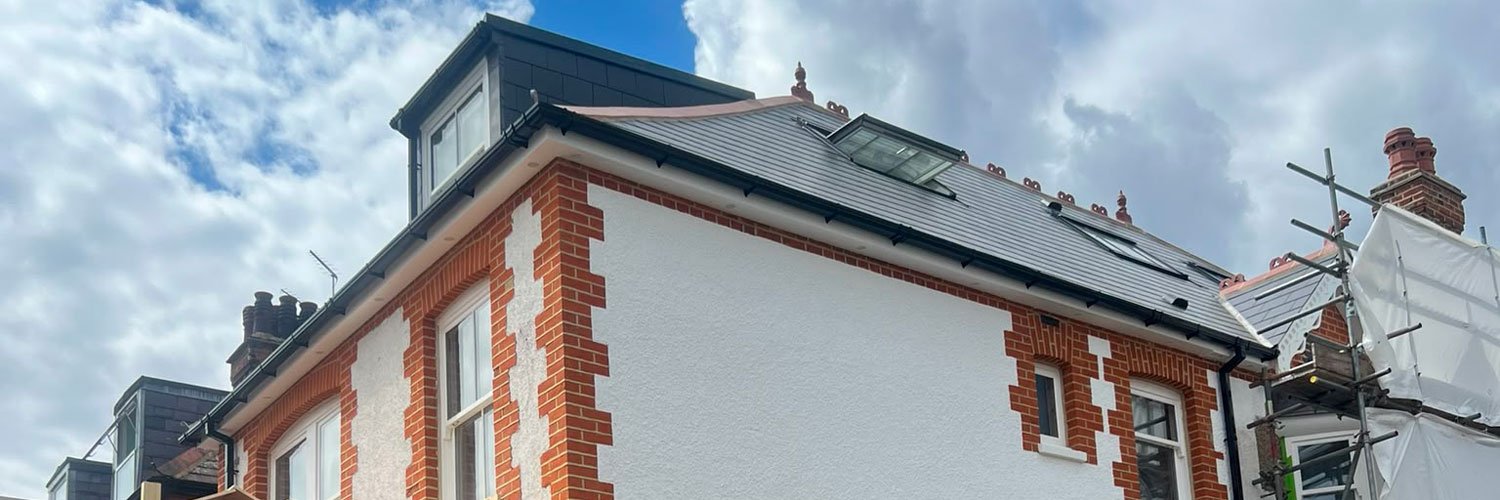
Repointing bricks can seem expensive at first, but it is usually much cheaper than replacing damaged brickwork or rebuilding a wall. The total cost depends on the size of the property, the condition of the mortar, accessibility, scaffold requirements, and the type of mortar used. For many UK homeowners, repointing is a worthwhile investment because it protects the structure and extends the life of the property.
Brick repointing is a skilled masonry repair that involves removing old, damaged mortar and replacing it with new mortar.
The work is labour-intensive because every mortar joint must be carefully cleaned before fresh mortar is applied. Contractors also need to protect surrounding brickwork and ensure the new mortar matches the existing appearance.
Unlike painting a wall, repointing cannot simply cover damaged areas. The failed mortar has to be removed first to ensure a long-lastingrepair.
Brick repointing is the process of replacing deteriorated mortar between bricks.
Mortar naturally wears away over time because of rain, frost, temperature changes, and pollution. When mortar begins to crumble, water can enter the wall and cause further damage.
Repointing restores the strength of masonry while helping prevent moisture from penetrating the wall.
There is no single price because every property is different.
Several factors influence the final cost, including:
For example, repointing a small garden wall usually costs far less than repointing an entire Victorian house that requires scaffolding.
The best way to obtain an accurate figure is through a professional site inspection.
Larger walls require more labour and materials.
A full house repointing project naturally takes longer than repairing one section of wall.
If mortar has completely failed, additional preparation is required.
Professionals may need to remove loose material deeper into the joints before applying new mortar.
Scaffolding is often one of the biggest additional costs.
Two-storey houses, chimneys, and difficult access areas usually require safe working platforms.
Older UK homes often require lime mortar.
Lime mortar is compatible with historic brickwork and allows moisture to escape naturally.
Modern cement mortar may be suitable for newer properties but is not always appropriate for older buildings.
Using the wrong mortar can damage historic bricks.
Sometimes the mortar is not the only problem.
Cracked or damaged bricks may also need replacing before repointing begins.
Brick repointing cannot be carried out in all weather conditions.
Heavy rain, freezing temperatures, and extreme heat can affect how mortar cures.
Delays caused by weather may extend the project timeline.
In many cases, yes.
Repointing protects brickwork from water penetration and helps prevent much more expensive structural repairs.
Ignoring damaged mortar may lead to:
Repairing mortar early is usually more affordable than replacing damaged masonry.
Almost always.
Rebuilding requires demolition, disposal of old materials, new bricks, fresh foundations in some cases, and significantly more labour.
Repointing preserves the existing brickwork while restoring the wall’s strength.
Unless bricks are severely damaged, repointing is usually the more economical solution.
| Repointing | Rebuilding |
|---|---|
| Keeps existing bricks | Removes and replaces brickwork |
| Lower material costs | Higher material costs |
| Less disruption | More disruption |
| Faster completion | Longer project |
| Ideal when bricks remain sound | Needed when structural damage is severe |
A professionally completed repointing job can last for decades.
Its lifespan depends on:
Regular inspections help identify small issues before they become costly repairs.
Common warning signs include:
These signs indicate that the mortar is no longer providing adequate protection.
Small decorative walls may be suitable for experienced DIY enthusiasts.
However, repointing a house is rarely a beginner project.
Incorrect mortar selection or poor workmanship can trap moisture inside brickwork and accelerate deterioration.
Historic buildings require particular care because inappropriate repairs can permanently damage original masonry.
If the wall supports the building or shows signs of movement, professional assessment is recommended.
A typical project includes the following steps:
Each stage helps ensure the repair lasts as long as possible.
Many homeowners unintentionally increase repair costs by delaying maintenance.
Common mistakes include:
Early intervention often keeps repair costs lower.
Choose a contractor who:
A thorough inspection usually produces a more accurate estimate than a price given without seeing the property.
For homeowners unsure whether repointing is necessary, a professional inspection is the best starting point.
Brick Repointing Experts assess the condition of existing mortar, identify underlying issues, and recommend repairs that suit the property’s age and construction. This approach helps homeowners avoid unnecessary work while protecting the long-term condition of their brickwork.
You may also find these services helpful:
Brick repointing is an investment in the health of your property rather than just an aesthetic improvement. While costs vary depending on the building, access, and extent of the repairs, repointing is usually far less expensive than replacing damaged brickwork or carrying out structural repairs later.
If you notice crumbling mortar, loose bricks, or signs of water penetration, arranging a professional inspection can help identify the right solution before the damage becomes more serious.